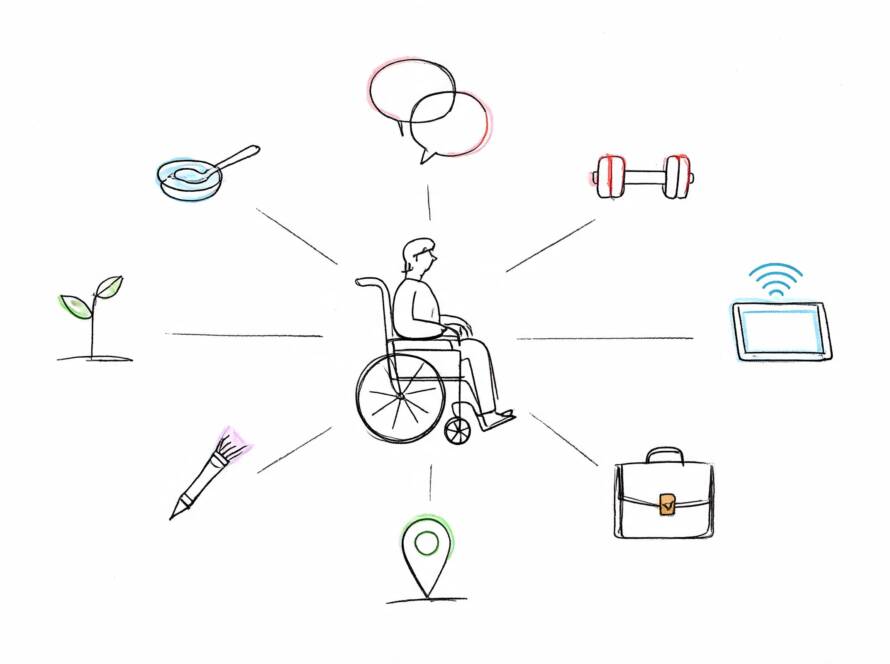
If you're looking to connect with your community, learn something new, or simply support a local cause you care about, volunteering in Southampton is a brilliant place to start. The city is full of opportunities, from environmental projects to supporting adults with disabilities, so you’re bound to find something that clicks with you.
Finding Your Place in Southampton's Volunteer Community
Taking that first step into volunteering is exciting, but let's be honest, it can also feel a little daunting. Where do you even begin? The great news is that Southampton has a really active and welcoming network of organisations crying out for people just like you. The trick is to find a role that genuinely aligns with your interests and what you have to offer.
First, have a think about what really motivates you. Are you passionate about protecting the environment? You could get involved with a local group dedicated to looking after Southampton's parks and green spaces. Or maybe you're great with people and have a creative streak? Lots of charities need help with everything from admin support to running arts and crafts sessions.

Aligning Your Skills with Community Needs
You don’t need to be a professional with a long CV to make a huge difference. Often, the most valuable skills are the personal ones you probably use every day without even thinking about it.
Here are a few real-world examples:
- You're a great listener: Your patience and empathy could be a lifeline for an older person feeling isolated, perhaps through a local befriending service.
- You're organised and practical: A food bank or community pantry would jump at the chance to have your help managing stock and making sure things run like clockwork.
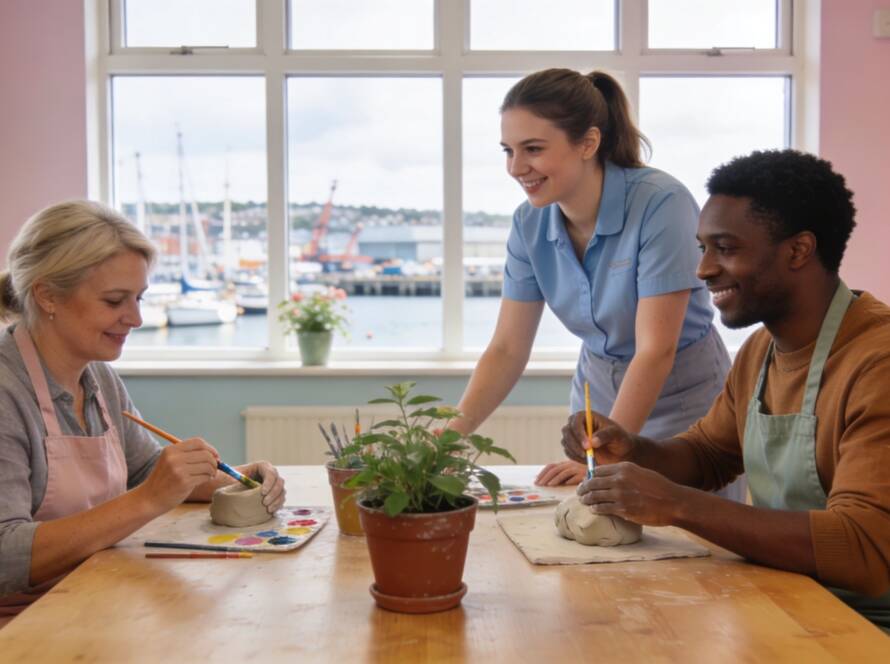
- You love getting hands-on and creative: Organisations like The Grow Project rely on volunteers to help with artistic workshops for adults with learning disabilities, creating a fun and supportive atmosphere.
It's not just about ticking a box or filling a gap on a rota. It's about finding a place where you feel your contribution is valued and you get something back from it too. For many of us, volunteering is as much about that sense of purpose and human connection as it is about the actual tasks.
The best volunteering experiences happen when your own values click with the organisation’s mission. It stops being a task and starts feeling like a real partnership.
Taking the First Step
Before you start firing off applications, take a moment for a quick reality check. How much time can you genuinely commit? Are you looking for a regular weekly slot, or is a one-off event a better fit for your lifestyle right now?
Figuring this out first will make your search much easier and help you find something that fits into your life without becoming another stress. The most successful volunteering roles are the ones that feel sustainable and rewarding, not just another thing on your to-do list. Knowing your own limits is the first step to building a great relationship with a cause you care about.
If you’re ready to see what’s out there, a great place to start is by exploring what The Grow Project in Southampton has to offer: https://thegrowproject.org.uk/southampton/
Where to Find Fulfilling Volunteer Roles
So, you’ve decided you want to volunteer—that's a brilliant first step. But the big question that usually follows is, where do you actually start looking? Thankfully, Southampton has a fantastic support system for volunteers, so you don't have to search in the dark. It’s really just a case of knowing which doors to knock on, both online and in person.
Your best bet is to start with the digital hubs built specifically for volunteering in Southampton. These platforms are a world away from generic national search engines. They list genuine, current needs from local organisations actively looking for people, cutting through the noise to connect you directly with your community.

Your Go-To Local Resources
To help you get started, here's a quick guide to some of the most effective resources available right here in the city. These platforms are the backbone of local volunteering and are designed to make your search as straightforward as possible.
Key Resources for Finding Volunteer Roles in Southampton
| Resource Name | What It Offers | Best For |
|---|---|---|
| Southampton Voluntary Services (SVS) | The city's main hub for community action, offering guidance and a huge database of opportunities. | Everyone – it's the most comprehensive starting point for volunteering in the city. |
| SO:Linked | An SVS-run project that connects people to local support, activities, and volunteering roles. | Finding well-supported roles and connecting with community groups. |
| SOLID Directory | Another SVS resource; a comprehensive A-Z list of local voluntary organisations. | Directly researching and contacting charities you're interested in. |
| Charity websites & social media | Many organisations post their latest roles directly on their own sites. | Following a specific cause or charity you already feel passionate about. |
These local services aren't just a list on a website; they are powered by a serious local investment. For the year ending in March, SVS reported an income of £824,882, with an incredible £692,000 of that going directly into developing volunteering initiatives.
This funding supported the digital services that engaged 3,020 volunteers across Southampton. It's proof of a robust, well-managed system ready to help you find your place. For anyone interested in the numbers, you can find a full breakdown of their community impact in the official accounts report on the SVS website.
A Pro Tip From Experience: When you’re browsing role descriptions, try to look beyond the simple list of tasks. Pay close attention to the language they use to talk about their values, the support they offer volunteers, and the real-world impact the role has. This gives you a much better feel for the culture and whether it's truly the right fit for you.
Looking Beyond the Online Search
While online platforms are great, don't forget about the power of a real-life conversation. Keep your eyes peeled for local volunteer fairs or community open days. These events are a golden opportunity to chat directly with people from different charities, ask all your questions, and get a genuine sense of their mission and atmosphere. It’s often a far more personal way to find a cause that clicks with you.
Another great strategy is to simply reach out to an organisation you already know and admire. For instance, here at The Grow Project, we often hear from people who are passionate about supporting adults with disabilities. We have a straightforward process on our website and are always happy to have a chat about how someone’s skills could benefit our members.
You can get a better feel for our community and the kind of work we do by having a look at the other articles on our blog.
Sometimes, volunteering also means helping organisations with the crucial task of raising money. Exploring the best ways to raise money for charity can open your eyes to all sorts of activities, from event planning to running online campaigns. It’s a brilliant way to develop valuable new skills while making a tangible difference.
Ultimately, finding the right role is all about being a bit proactive. Use the fantastic local resources we have in Southampton, and never be afraid to pick up the phone or send an email to start a conversation.
Getting Through the Paperwork: Applications and Checks
So, you’ve found a volunteering role in Southampton that looks like a great fit. What's next? The application and vetting part. This can sound a bit intimidating, but honestly, for most local charities, it’s just a friendly way to get to know you and make sure everyone involved is kept safe.
Don’t sweat it if you haven’t got a long list of previous volunteering gigs. Most application forms are more interested in you than your CV. Think about why you're drawn to this particular role. Focus on what you can bring as a person – maybe you’re patient, have a great can-do attitude, or you’re brilliant at keeping things organised. That’s what they really want to hear.
Once your application is in, you’ll usually be invited for an informal chat. Think of it as a two-way street. It’s your chance to suss out if the organisation feels right for you, just as much as it is for them to meet the person behind the form. Have a think about your availability and what you'd love to get out of the experience.
What to Expect with DBS Checks
If the role involves working with children or vulnerable adults, you’ll almost certainly be asked to complete a Disclosure and Barring Service (DBS) check. This is a completely standard safeguarding step for charities and community groups across Southampton.
A DBS check simply reviews your criminal record to confirm you're suitable for the position. The charity will tell you exactly what level of check is needed, so you won't have to figure that out yourself.
Here are a few things to keep in mind:
- You shouldn't have to pay: Registered charities almost always cover the cost of the DBS check, so it won’t cost you a penny.
- They'll help you through it: The organisation will give you all the forms and guidance you need to get the application filled out correctly. It's a team effort.
- It’s all about keeping people safe: This process is non-negotiable for protecting the people you’ll be helping. A big part of this is also understanding modern safety and boundaries, especially online. To get a better handle on this, check out our guide on digital inclusion and online safety.
References and Your First Day
Along with a DBS check, you’ll probably be asked for one or two references. Don’t worry, they don’t have to be from a past boss. It could be a former teacher, a mentor, or a community leader – anyone who knows you well enough to vouch for your character and reliability.
Remember, the entire vetting process is there to build a foundation of trust. It ensures a safe, positive space for both the volunteers and the people the organisation supports. Seeing these steps in place is a great sign of a well-run charity.
Once the checks are all sorted, you’ll be on to the good stuff: your induction and training. This is where you’ll learn the ropes, meet the rest of the team, and get comfortable before you properly start. This initial support is absolutely vital and really sets you up for a fantastic and rewarding time as a volunteer.
The Real Impact of Your Time and Dedication
It’s easy to dismiss volunteering as just a few hours here and there. But what you’re really doing is creating powerful ripples of change that can genuinely transform lives—including your own. When you commit to volunteering in Southampton, you’re not just ticking a box or filling a slot on a rota; you’re stepping into someone’s story and making a real difference.
Think about it in practical terms. Helping an adult with a learning disability practise using public transport might seem like a simple task. But for them, those few hours of patient support can build the confidence needed for independent travel, opening up their entire world.
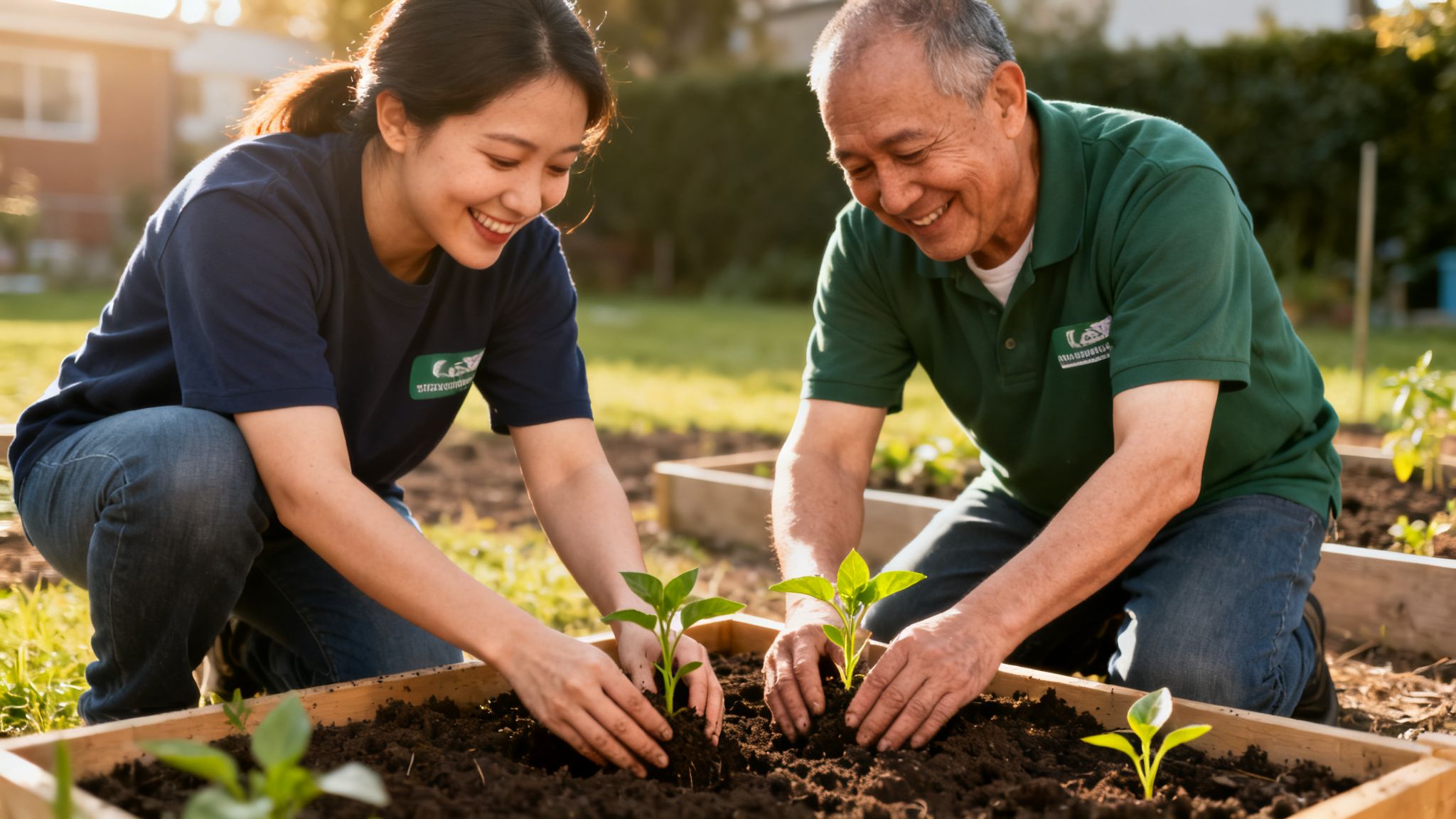
Likewise, an afternoon spent in a community garden isn't just about pulling weeds. It’s about tackling social isolation, offering a friendly face and a listening ear to someone who might not have spoken to anyone else all day. It’s these human connections that lie at the heart of community work.
The Reciprocal Benefits of Giving Back
But the impact is far from a one-way street. While you’re out there helping others, you’ll almost certainly start noticing profound benefits for your own wellbeing. Volunteering is consistently linked to better mental health, lower stress levels, and a much stronger sense of purpose and connection to where you live.
The skills you pick up are incredibly valuable, too. You’re not just gaining experience; you’re building a toolkit for life. Many of our volunteers find they develop expertise in:
- Communication and teamwork: Naturally comes from working alongside a diverse group of people to achieve a shared goal.
- Problem-solving: You’ll learn to think on your feet, finding creative ways to support individuals with unique needs.
- Practical skills: Depending on the role, you could learn anything from therapeutic arts and crafts to food preparation or digital support.
This is what makes volunteering so special—it's a deeply reciprocal relationship. Every contribution, no matter how small it feels, builds towards a stronger, kinder, and more compassionate city for all of us.
"The smallest act of kindness is worth more than the grandest intention." – Oscar Wilde
A Community That Celebrates Contribution
Here in Southampton, volunteers are the lifeblood of our community, and that dedication doesn't go unnoticed. Southampton Voluntary Services (SVS) recently re-launched their prestigious 100 Hours Awards to celebrate this incredible local commitment.
At these events, over 100 volunteers were honoured for contributing a collective, jaw-dropping 23,000+ hours of their time. It’s a powerful testament to the city's vibrant community spirit. You can discover more about these inspiring local heroes and the fantastic support SVS provides for volunteers on their website.
Knowing that your contribution is valued is a huge part of the experience. Many organisations are passionate about Recognising Honour Volunteers with Displays, which reinforces the positive cycle that makes volunteering so rewarding for everyone involved.
A Closer Look at Volunteering with The Grow Project
If you’re looking for a volunteering opportunity in Southampton that’s genuinely person-centred, then you might be a great fit for us at The Grow Project. From our base in Ocean Village, we run a weekday service for adults with learning and physical disabilities. Our volunteers are, without a doubt, the absolute heart of everything we do.
Our whole setup is built around encouragement and support. The focus is always on helping our members build their confidence, spark new friendships, and grow their independence. It’s a place where small, consistent acts of kindness add up to make a huge impact every single day.
What Does a Volunteer Actually Do?
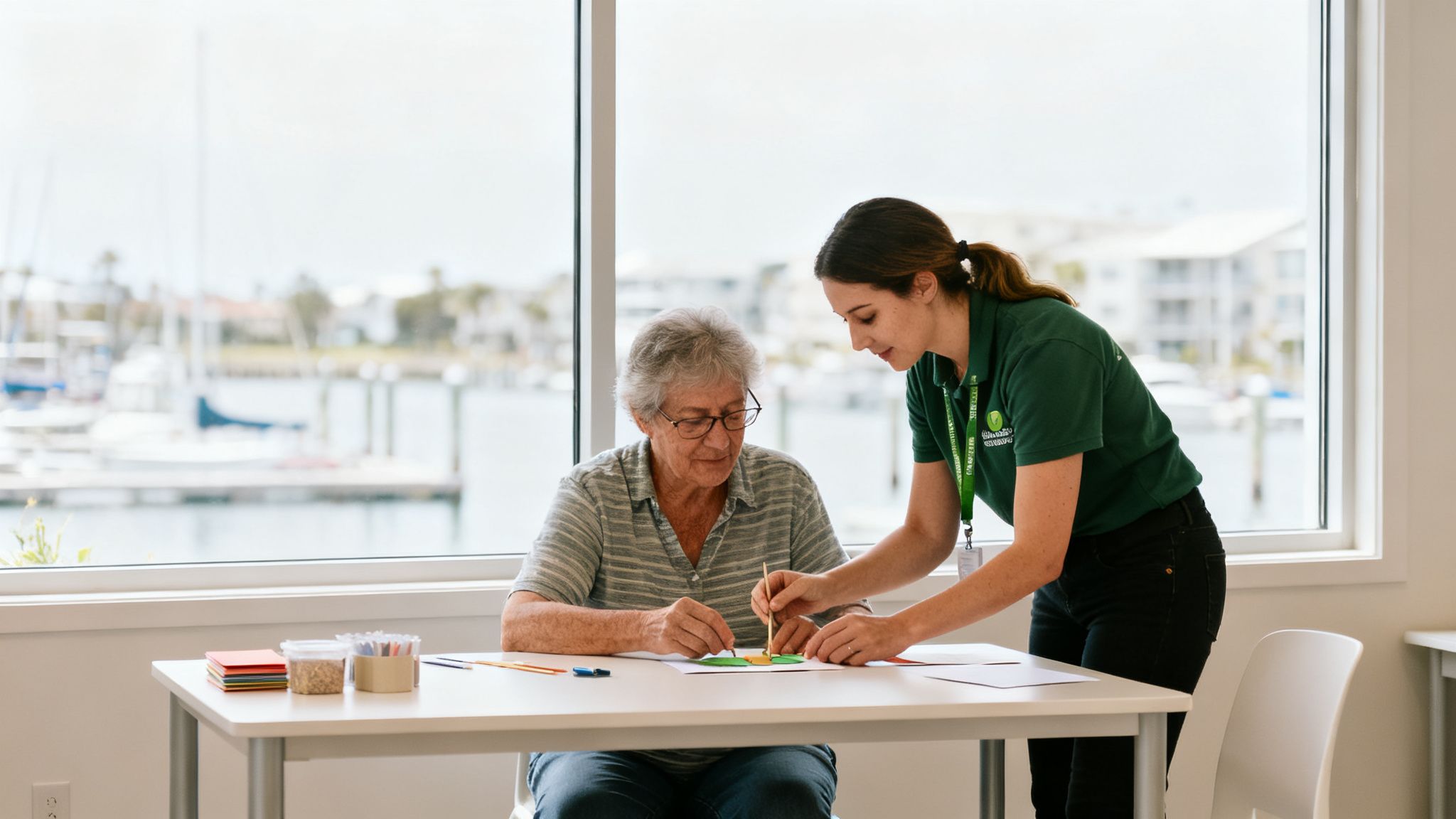
Volunteering with us is varied, engaging, and incredibly rewarding. You won't just be stuck making the tea (unless you really want to!). Instead, you’ll be right in the thick of it, getting involved in activities that truly empower our members.
This hands-on approach means your day could involve anything from:
- Creative Workshops: Helping out during arts and crafts sessions, giving members the support they need to express themselves.
- Kitchen Sessions: Guiding people through preparing food, which is a brilliant way to teach valuable life skills around healthy eating.
- Community Outings: Heading out on trips into the local community, helping our members build confidence in real-world settings.
- Digital Skills: Assisting members with navigating the online world safely or getting to grips with new technology.
The table below gives a few more examples of the kinds of things our volunteers get involved in.
Example Volunteer Roles at The Grow Project
| Activity Area | What a Volunteer Does | Skills Gained |
|---|---|---|
| Arts & Crafts | Prepares materials, offers encouragement, and assists with techniques like painting or model-making. | Communication, creativity, patience, mentoring. |
| Cooking & Baking | Helps members follow recipes, measure ingredients, and learn about kitchen safety. | Teamwork, practical instruction, food hygiene awareness. |
| Community Trips | Provides one-to-one support at places like the library, bowling alley, or local parks. | Risk assessment, confidence-building, adaptability. |
| Gardening | Works alongside members to plant seeds, water plants, and maintain our green spaces. | Horticultural skills, physical wellbeing, mindfulness. |
Ultimately, the role you play is dynamic and contributes directly to the supportive atmosphere that makes The Grow Project so special. You can find out more about our mission and the community we've built to see if our values align with yours.
We believe the best volunteers bring empathy, patience, and a positive outlook. Honestly, those qualities are far more valuable to us than any formal qualifications. If you have a genuine desire to help others, you already have what it takes.
The Application Process and What to Expect
We’ve made our application process as straightforward and welcoming as possible. We’re not interested in putting you on the spot; we just want to get to know you as a person and understand what’s motivating you to get involved.
Forget formal interviews or trick questions. The process is really just an informal chat where we can talk about your interests, your availability, and what you’d like to get out of the experience. We're all about flexibility and will do our best to find a schedule that fits your life, whether that’s a few hours a week or every fortnight.
We provide all the training you’ll need to feel confident and prepared from day one. This includes an induction to our person-centred approach, safeguarding procedures, and guidance specific to the activities you’ll be helping with. Our goal is simple: to set you up for a fulfilling experience where you feel like a valued part of the team right from the beginning.
Your Volunteering Questions Answered
It's completely normal to have a few questions before you jump into something new. Taking that first step towards volunteering in Southampton is exciting, but it’s natural to want to feel confident and prepared. To help you out, we’ve put together answers to some of the most common queries we hear from people thinking about getting involved.
Let's clear up some of the myths and show you just how accessible and rewarding volunteering can be.
Do I Need Specific Experience to Volunteer?
Honestly, for most roles, the answer is a big, friendly "no!" Charities and community groups are far more interested in your enthusiasm and reliability than they are in a specific CV. Organisations like The Grow Project will give you all the training you need to feel comfortable and get started.
Don't underestimate the value of your own life experience. Whether you're a patient listener, a great organiser, or simply have a positive, can-do spirit, those are the qualities that truly make a difference.
How Much Time Do I Need to Commit?
This is one of the biggest myths about volunteering—that it has to take over your life. In reality, most roles are incredibly flexible. Many organisations are just looking for someone to help out for a few hours a week or even once a fortnight.
You'll also find plenty of one-off opportunities to help at events or with specific projects. The key is simply to be upfront about your availability from the start. It’s all about finding a role that fits into your life, not the other way around.
The best volunteering placements are the ones that last. It’s far better to give two hours a week consistently and happily than to overcommit and burn out. Find a rhythm that works for you.
Will Volunteering Cost Me Anything?
Volunteering should never leave you out of pocket. Any reputable, registered charity will almost always reimburse reasonable expenses you have while carrying out your role.
This usually covers things like:
- Travel Costs: Bus fares or mileage to and from your volunteering location.
- DBS Checks: If your role needs one, the organisation will sort out the cost.
- Activity Expenses: Anything specific you might be asked to buy for an activity.
It’s always a good idea to clarify an organisation’s expense policy before you start, just to be sure.
Can I Volunteer to Gain Work Experience?
Absolutely! Volunteering is a fantastic way to develop new skills, build your confidence, and get a feel for a particular sector without the pressure of a paid job. It shows commitment, a proactive attitude, and a willingness to learn—all things that potential employers love to see.
Everyone has their own reasons for volunteering, but it often comes down to a desire for purpose and community. Nationally, the UK Community Life Survey showed that formal volunteering rates are on the rise, with 17% of adults giving their time every month. While the main motivation was simply a desire to help others (46%), many are also driven by personal causes or just having spare time. A study from the University of Southampton even found that volunteering, particularly after the age of 40, gives a significant boost to mental health by creating social connection. You can read more about the latest volunteering trends and their impact.
At The Grow Project, we see every day how volunteering enriches the lives of both our members and our volunteers. If you're ready to find out more about making a difference with us, we'd love to hear from you.
Discover more about our rewarding opportunities and start your journey by visiting us at https://thegrowproject.org.uk.