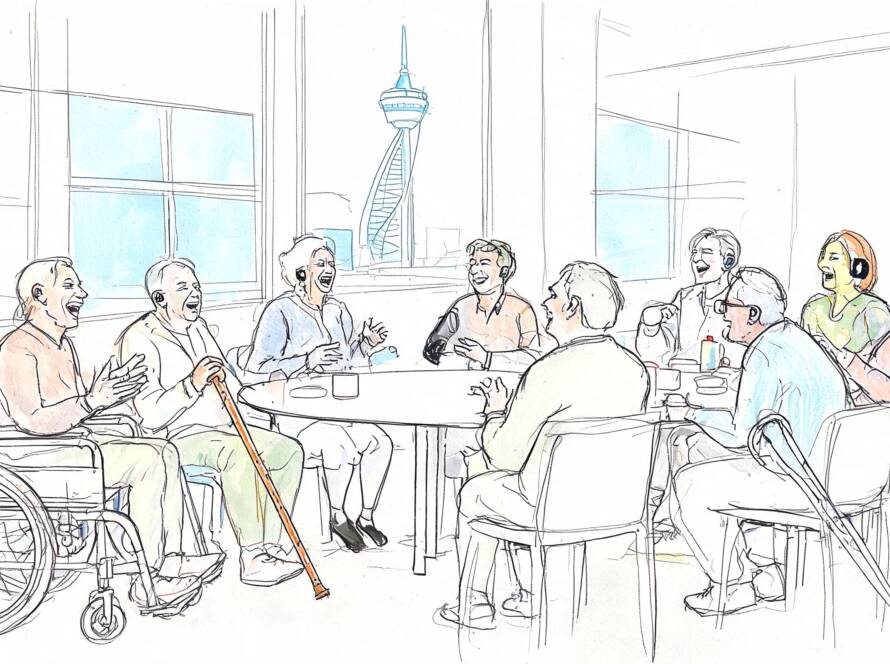
When someone mentions day services for adults with learning disabilities, what comes to mind? For many, it's an outdated idea of simple 'day care'. But the reality couldn't be more different. Think of them as personalised launchpads for life – structured weekday programmes designed to help people build real-world skills, forge genuine friendships, and truly connect with their local community.
What Modern Day Services Really Look Like

Let's move past the old-fashioned, passive image of day services. High-quality, contemporary providers have completely changed the game. The focus today has shifted dramatically from just providing a place to pass the time to creating a dynamic, supportive setting where personal growth is the main event.
In essence, these services act as a bridge between needing support and gaining independence. They offer a safe, welcoming base where adults can learn and practise the skills they need to navigate life with much more confidence. It all comes down to a core belief in empowerment and person-centred support.
A Focus on Personal Growth and Community
The best day services are never one-size-fits-all. They work with each person to build a programme around their own goals and aspirations. This individual approach is what helps people flourish, because it plays to their unique strengths and interests.
So, what does that look like in practice? The main goals usually include:
- Building practical life skills: This could be anything from cooking a meal and managing a weekly budget to learning how to use public transport independently.
- Developing social connections: It’s a structured, friendly place to make friends, learn about relationships, and experience what it means to be part of a team.
- Improving wellbeing: Activities are designed to boost both physical and mental health. Think fitness sessions, gardening, and creative arts that allow for self-expression.
- Connecting with the community: Getting out and about is a huge part of it. This means organised trips to local cafes, libraries, and parks, which helps people feel like valued members of their own community.
To help clarify this shift, here's a look at the core components that define high-quality, modern day services.
Key Features of Modern Day Services
| Feature | Description | Example in Practice |
|---|---|---|
| Person-Centred Planning | The individual's goals and aspirations are the foundation of their programme. | A person wants to learn to cook. Their weekly plan includes a supported cooking session and a trip to the supermarket to buy ingredients. |
| Skill Development Focus | The priority is on teaching tangible life skills that increase independence. | Instead of just making crafts, a session might focus on creating items to sell, involving budgeting, marketing, and customer service skills. |
| Community Integration | Activities are designed to get people out and actively participating in their local area. | A group volunteers at a local animal shelter or tends to a community garden plot, building connections with others. |
| Empowerment & Choice | Individuals are encouraged to make their own decisions about their day and their long-term goals. | Participants help plan the weekly activity schedule, choosing what they want to do and learn. |
This table shows how the focus has moved from passive care to active development, making a real difference in people's lives.
Creating a Supportive Environment
Of course, none of this happens without a brilliant team of skilled and dedicated staff. They provide consistent guidance and encouragement, helping individuals tackle new challenges in a safe space. Their job isn't just to supervise; it's to facilitate growth.
The ultimate aim is to equip adults with learning disabilities with the confidence and competence to lead more independent and fulfilling lives, where they have choice and control over their own daily routines.
Across the UK, the need for these programmes is clear. An estimated 1.2 million adults have a learning disability, and around 58,000 people currently receive day care or opportunity support. This figure includes 29,000 adults who live with parents aged 70 or over, showing just how vital these services are for the entire family.
By focusing on tangible outcomes and individual dreams, modern day services set the stage for a richer, more autonomous life. At The Grow Project, we are passionate about providing exceptional care services that embody this modern, empowering approach.
The Journey from Day Centres to Community Hubs
To really get a feel for the quality and purpose of today's day services for adults with learning disabilities, it’s worth looking at how much things have changed. The way we approach support is worlds away from what it was just a couple of decades ago, and it’s all down to a massive, positive shift in how we think about independence, choice, and being part of the community.
Not so long ago, support was mostly found in large, traditional "day centres." These were usually specific buildings where adults with learning disabilities would spend their days. The focus was often on group activities and giving family carers a break. While the intentions were good, this model tended to keep people separate from the world outside the centre's walls.
A New Focus on People, Not Places
The early 2000s was a real turning point. A powerful movement, driven by disability rights campaigners and forward-thinking policymakers, began to question the old, institutional way of doing things. The central idea was simple but revolutionary: support should be designed around the person, not the service.
This thinking brought about huge changes like personal budgets and Direct Payments. Suddenly, individuals and their families had more say over their funding. They could actually choose the support that best fitted their own goals and dreams. Instead of just being sent to the local day centre, they could now find providers that offered specific skills training or activities that got them out into the community.
This shift gave people the power to ask for more than just a place to fill their time. They could start demanding services that helped them achieve real, life-changing goals, like learning to use public transport on their own or getting a foot on the ladder with work experience.
Adapting to a New Reality
After 2010, things changed again. Austerity and significant cuts to local authority budgets put a huge squeeze on funding. This financial pressure pushed things further away from the large, council-run day centres and towards a more varied mix of independent providers. Many of the old services were downsized or closed altogether, leaving a gap that smaller, more creative organisations started to fill.
This wasn't just about saving money, though. It was a complete rethink of what good support actually looks like. The focus shifted from just 'keeping people busy' to actively investing in their futures, building skills that lead to real independence and a much better quality of life.
The numbers from that time tell the story clearly. In the early 2000s, 39% of all people with learning disabilities went to day centres. But as things changed, a survey showed that 29% of people had their day services closed down, while 41% stopped going because of higher costs or fewer opening hours. This difficult period underlined just how badly needed new, flexible, and person-focused options were to stop people from becoming isolated. You can dig deeper into these changes by exploring the full evidence review on day opportunities.
Today's Community-Focused Model
All of this has brought us to where we are now, with a modern approach to day services that are more like community hubs or skills projects. They’re energetic, goal-oriented, and woven into the fabric of the local area. The community itself has become the classroom, rather than just one building.
The emphasis today is squarely on building confidence, practical skills, and genuine connections. Understanding this history is so important because it explains why the best providers now put individual goals, real-world skills, and community involvement at the very heart of everything they do. It’s been a journey from passive care to active empowerment, making sure every single person gets the chance to grow and flourish.
What a Great Day Programme Actually Looks Like
So, what really goes on at a day service? Once you get past the brochures, you'll find the heart of any great programme lies in its daily activities. Good day services for adults with learning disabilities aren't just about passing the time. They are carefully designed spaces where every session, every project, has a clear purpose: building confidence, nurturing independence, and teaching real, practical skills for life.
A genuinely person-centred service designs its weekly schedule around individual goals and aspirations. That means every activity, whether it's a group cooking class or a trip into the local town, is a deliberate step towards helping someone become more autonomous and sure of themselves. Let’s take a look at the kinds of activities you should expect to see and, more importantly, the skills they help to grow.
Building Essential Life Skills
This is the bedrock of most quality day services. These sessions are all about the practical, everyday tasks that make independent living possible. It’s all very hands-on, supportive, and designed to let people build competence in a safe, low-pressure environment.
It’s a bit like learning a new recipe. The first time, you’ll follow the instructions closely with someone helping you out, but after a few tries, you can do it all by yourself. That’s exactly the approach taken here.
Common activities often include:
- Food Prep and Healthy Habits: People learn everything from basic kitchen hygiene and safety to planning meals, following recipes, and cooking for themselves or a group. It’s a brilliant way to build teamwork and a solid understanding of healthy eating.
- Money Management and Budgeting: These sessions get down to brass tacks, covering vital skills like handling cash, understanding prices while shopping, and putting together a simple weekly budget.
- Travel Training: This is a huge one for independence. It’s all about learning how to plan journeys, read a timetable, and use public transport safely and with confidence. We offer dedicated support in this area, helping people feel comfortable getting out and about in their community. Find out more about our public transport training programme.
Fostering Creativity and Communication
Creative outlets are an incredibly powerful way to build self-esteem and improve communication. Sessions involving art, music, or drama offer a fantastic way for individuals to explore their personalities and connect with their peers in different ways. These aren’t just hobbies; they're therapeutic activities that are brilliant for emotional wellbeing.
A creative session is more than just painting or making music. It's an opportunity for self-expression, a space where individuals can share their feelings and perspectives without needing to find the right words.
For individuals who sometimes struggle with verbal communication, these activities can be a game-changer. They learn to work together on group projects, share their ideas, and cheer each other on – all fundamental social skills for building friendships and feeling understood.
Embracing Digital Inclusion and Safety
Let’s face it, so much of modern life happens online. Digital skills are no longer a 'nice-to-have'; they're essential for staying connected, informed, and safe. Any forward-thinking day service will have workshops that help people navigate the online world with confidence.
And it’s not just about learning how to use a computer. These sessions cover a whole range of important topics, such as:
- Staying Safe Online: Getting to grips with privacy settings, learning how to spot potential scams, and understanding how to use social media safely.
- Digital Communication: Using email, video calls, and messaging apps to keep in touch with family and friends.
- Accessing Information: Learning how to use the internet to find out anything from local bus times to a new recipe to try.
To give you a clearer picture, this table shows how different activities connect directly to real-world outcomes.
Example Activity Streams and Their Outcomes
| Activity Stream | Typical Activities | Key Outcomes and Skills Gained |
|---|---|---|
| Independent Living | Cooking, shopping, budgeting, home safety checks. | Develops self-sufficiency, financial literacy, problem-solving, and promotes healthy lifestyle choices. |
| Community Access | Travel training, visiting local shops, libraries, cafes. | Builds confidence in public spaces, improves navigation skills, and fosters a sense of belonging in the local community. |
| Creative Arts | Painting, pottery, drama, music workshops. | Enhances self-expression, improves fine motor skills, encourages teamwork, and provides a non-verbal communication outlet. |
| Digital Skills | Online safety courses, using tablets/computers, social media. | Increases digital literacy, promotes safe online habits, and enables connection with family and the wider world. |
| Health & Wellbeing | Gardening, walking groups, sports, mindfulness sessions. | Improves physical fitness, reduces stress, teaches teamwork, and encourages an active, healthy lifestyle. |
When you break it down like this, you can see how a well-thought-out programme goes far beyond just keeping people occupied. Every single session is an investment in someone's future, equipping them with the practical skills, social confidence, and self-belief they need to live a more independent and fulfilling life.
Navigating the Funding and Application Process
Figuring out how to access and pay for day services for adults with learning disabilities can feel a bit overwhelming at first, but it's more straightforward than you might think. The whole system is set up to match support to what a person actually needs, and once you know the steps, you can move forward with confidence. It all starts with a call to your local council's adult social care team.
The very first thing you need to do is ask for a Needs Assessment. This is essentially a detailed conversation with a social worker or a trained assessor from the council. They're there to understand what a person's needs are, what they can already do for themselves, and what support would help them live a safe, independent, and more fulfilling life.
It’s important to know you have a legal right to this assessment. The council has to do it. When you have this meeting, be as open and honest as you can about the daily challenges and personal ambitions. This conversation is the foundation for everything that follows, including any support plan and funding decisions.
Understanding Your Funding Options
After the needs assessment, the local authority decides if the individual is eligible for funding. If the answer is yes, they'll work out a personal budget designed to meet those specific needs. There are a few ways this money can be handled, and each offers a different level of control.
- Direct Payments: The council puts the personal budget straight into a dedicated bank account. This gives you the most control to choose and pay for the services you want, making it perfect for using specialist providers like The Grow Project.
- Council-Commissioned Service: In this case, the council takes care of arranging and paying for the support themselves. It's a more hands-off approach where they might place you with one of their own services or an approved partner.
- A Mixed Package: You can also have a bit of both. The council might manage some parts of the care, while you use a Direct Payment to fund other specific activities or services that are important to you.
The big idea behind modern funding is to put individuals and their families in the driver's seat. A Personal Budget or Direct Payment gives you the power to choose a service that genuinely fits with your goals and what you want to achieve.
The right funding is about investing in real-world outcomes. It’s not just about filling time, but about building practical skills for life.
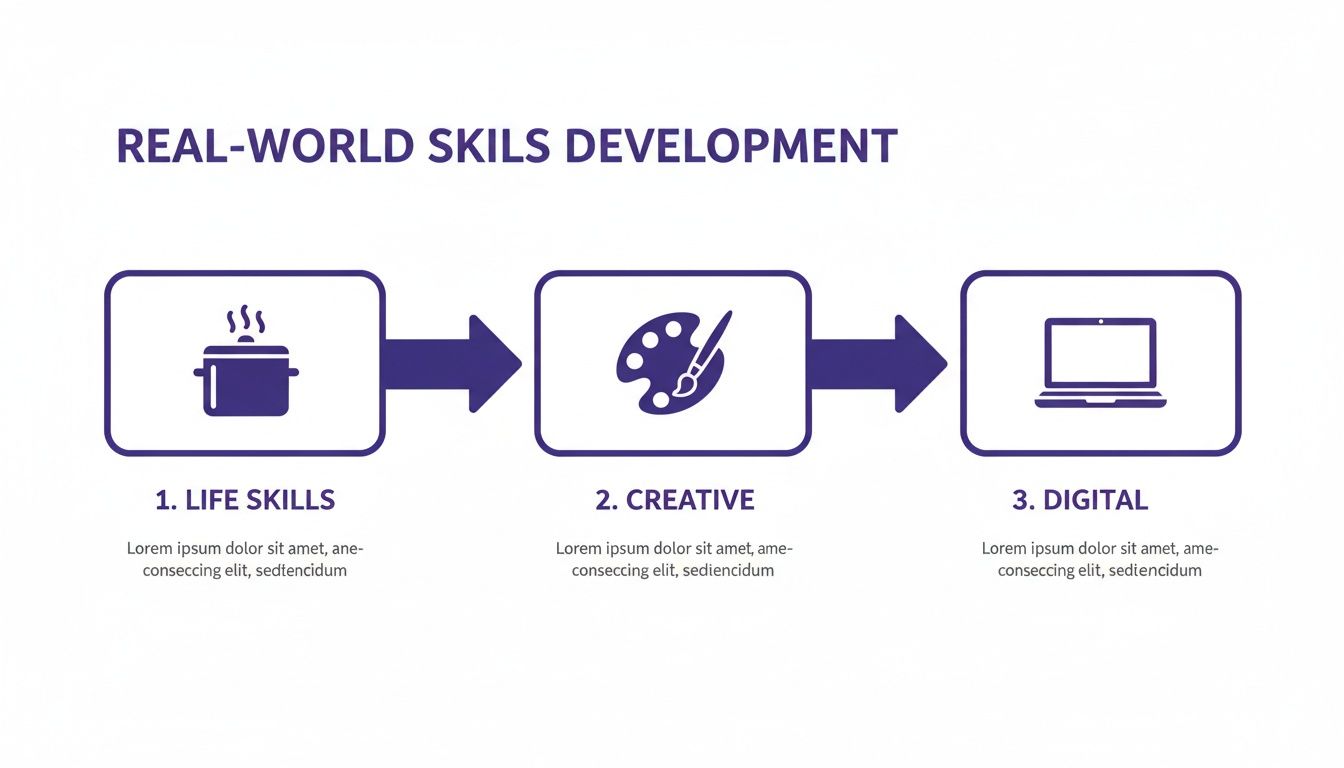
As you can see, a good day service uses that funding to help people make real progress in essential areas like life skills, creative pursuits, and even digital know-how.
The Application Journey Step by Step
Let's break the process down into simple, manageable steps. Here’s what it usually looks like:
- Contact Adult Social Care: The first move is to get in touch with your local council to request that needs assessment. If you're in our area, you’ll want to contact either Hampshire County Council or West Sussex County Council.
- Prepare for the Assessment: Before the meeting, have a think about daily routines, any struggles, personal goals, and the kind of support that would really make a difference. It’s also a good idea to gather any relevant reports from doctors or schools.
- Complete the Assessment: Have a frank and open chat with the assessor. Family members and carers are encouraged to join in to help paint a full and accurate picture.
- Receive Your Care and Support Plan: If the council agrees that support is needed, they will create a plan that outlines the needs they've identified and the personal budget they are providing to meet them.
- Choose Your Provider: This is the exciting part! With funding confirmed, you can start looking for the day service that feels right. If you have a Direct Payment, you're free to choose an independent provider that you believe is the best fit.
If you’re thinking about The Grow Project and need a hand with any part of this process, please get in touch. Just fill out our simple referral form, and our team will be more than happy to help guide you. Getting the right funding in place is the key that unlocks access to high-quality support that really fosters growth and independence.
How to Choose the Right Day Service Provider

Choosing the right day services for adults with learning disabilities is a massive decision. It’s about much more than just finding a list of activities to fill the day. You're looking for a community—a place where someone can feel genuinely safe, understood, and encouraged to chase their own goals. The best providers build a culture that just fits, matching an individual's personality and their long-term dreams.
Think about it like you would when choosing a new home or even a university. You wouldn't just rely on the glossy brochure, would you? You’d want to visit, walk around, meet the people, and get a real sense of the atmosphere. The exact same principle applies here. The goal is to see past the marketing and spot the real signs of a high-quality, caring service.
Looking Beyond the Brochure
A provider's website and marketing materials are a useful starting point, but they only ever show one side of the story. The true test of a service is found in the day-to-day moments, the energy of the space, and the attitude of the people who work there. When you walk through the door, a good centre should feel lively, supportive, and humming with positive engagement.
Trust your gut instinct. Does the place feel welcoming from the moment you arrive? Are the staff actively involved and chatting with the people they support, or are they just observing from the sidelines? Real person-centred care shines through in the little things—the way staff speak to individuals, the amount of choice people are given in what they do, and whether you can feel a genuine sense of community.
Essential Questions to Ask Providers
When you visit or phone a potential provider, having a few key questions ready can help you get a much clearer picture. This isn't about conducting an interview; it's about starting a proper conversation to understand what they're all about. You’ll want to cover everything from the practical stuff, like safety, to the bigger picture of how they help people grow.
Here are some vital questions to get you started:
-
Staffing and Expertise:
- What is your typical staff-to-participant ratio? Does it change for different activities?
- What kind of training and qualifications do your staff have, especially around things like safeguarding and positive behaviour support?
- How do you make sure the same staff members are around regularly, so people can build real, trusting relationships?
-
Person-Centred Support:
- How do you work with individuals and their families to create and review support plans?
- Can you share an example of how you've tailored a programme to fit someone's unique interests or goals?
- How do you track someone's progress, and how often do you share that with their family?
-
Safety and Wellbeing:
- What are your safeguarding policies, and how do you make sure they're actually followed every single day?
- How do you handle medical needs or difficult behaviours in a supportive, positive way?
- What’s your process if a family has a concern or a complaint?
These questions aren't just a checklist. They help you understand an organisation's core values and see if they truly walk the walk when it comes to providing excellent care.
A great day service provider should be able to answer these questions with confidence and provide specific examples. Their answers will reveal whether their approach is genuinely focused on individual growth or simply on group management.
The Importance of a Taster Session
Perhaps the most valuable thing you can do is arrange for a 'taster session' or an informal visit. There is simply no better way to see if a service is the right fit. It gives the individual a chance to experience the environment for themselves, meet some of the team and other people who go there, and maybe even try out an activity.
While you're there, take a look around. Do people seem happy and involved? Can you see friendships and a sense of mutual respect? A taster session turns a theoretical decision into a practical one, grounding your choice in a real-world experience. It’s the ultimate test of whether a service doesn’t just look good on paper, but actually feels right in person.
Real Stories of Growth and Independence

This is where all the theory and planning behind day services for adults with learning disabilities really come to life. You can tell a lot about a service from its schedule or its facilities, but the true measure of its success is in the real, tangible progress people make. These stories show the profound impact that the right kind of support can have, turning personal goals into life-changing achievements.
These aren't just feel-good anecdotes. They are powerful demonstrations of what's possible when people are given the right tools and encouragement to thrive. For families and commissioners alike, these real-life examples offer a clear vision of the value these services bring, showing a shift from basic care to active empowerment.
From Social Anxiety to Leading a Group
Let’s talk about someone we'll call Tom. When he first came to us, he found any kind of social situation incredibly difficult. He’d often hang back on the sidelines during group activities, clearly wanting to join in but not knowing how. His goal was simple, but for him, it was huge: to feel comfortable enough to speak up in a group.
We worked with him through a carefully planned programme, starting with small, manageable steps. At first, he was paired with a supportive staff member in activities he already loved, like gardening. Bit by bit, his confidence grew. He started sharing his ideas with his partner, and then with a small group. One day, completely unprompted, he volunteered to lead the morning briefing.
That moment wasn't just about public speaking. It was about Tom finding his voice and seeing that his contribution was genuinely valued by his peers. It’s a perfect example of how a patient, person-centred approach can help someone overcome deep-seated anxiety and develop real leadership skills.
Mastering Independent Travel
Another brilliant example is a young woman named Sarah, who used to rely entirely on her family to get anywhere. Her biggest dream was to visit her grandparents on her own, a trip that meant navigating two different buses. The thought of it was completely overwhelming for her, so her support team helped break it down into achievable stages.
Her journey to independence involved a few key steps:
- Planning the route: We sat down with her and learned how to use online journey planners and read bus timetables together.
- Accompanied travel: A support worker went with her on the route multiple times, just being there as backup until she felt secure.
- Building confidence: We practised different scenarios, like what to do if a bus was late or how to ask the driver for help.
After several weeks of practice, Sarah made the entire journey by herself. The look of achievement on her face was incredible. It gave her a newfound freedom and sent her self-esteem soaring. Now, she travels independently not just to her day service but all over her local community. A simple skill has opened up her entire world.
These stories are the very heart of what high-quality day services aim for. They show a clear, practical progression from dependence to independence, proving that with consistent and thoughtful support, people can hit remarkable personal milestones that transform their quality of life.
It's these narratives that truly bring the benefits of a structured programme to life. They show that learning practical skills, building friendships, and becoming part of the community aren't just abstract ideas—they are everyday realities. Every small victory helps build a more independent, confident, and fulfilling future.
Your Questions, Answered
When you're looking into day services for an adult with a learning disability, it's natural to have a lot of questions. It's a big decision for everyone involved. To help clear things up, we’ve put together some straightforward answers to the questions we hear most often from families and carers.
What’s the Typical Age Range for People Who Attend?
Most day services are set up for adults aged 18 and over, and there’s usually no upper age limit. The whole idea is to provide ongoing, meaningful support that can adapt as a person moves through different stages of their adult life.
This means the programmes are flexible enough to support young adults who are just leaving college, as well as older individuals who want to keep a sense of routine and stay connected with their community.
How Do You Track Someone's Progress and Keep Families in the Loop?
A good provider will always put the individual at the heart of their planning. This starts with sitting down together—with the person and their family—to set clear, achievable goals right from the beginning. From there, progress is carefully tracked through day-to-day observations, specific skills assessments, and of course, by listening to feedback.
Keeping you informed shouldn't be an afterthought; it should be part of the package. You can expect things like:
- Regular, formal review meetings to celebrate what’s been achieved and decide on the next steps.
- Clear progress reports that highlight new skills and key milestones.
- An open-door policy for informal chats and updates with the staff who know your family member best.
What About Transport to and from the Service?
This is a big one, and it really does vary from one provider to another, so make sure it's one of the first things you ask. Some services might have their own transport available. Others make it a core part of their programme to teach people how to use public transport confidently and independently, which is a fantastic life skill.
It's also worth knowing that funding for transport can often be included in a social care package, so definitely bring this up during the needs assessment.
Do the Services Stop During College Holidays?
This is a key difference between day services and college. The vast majority of day services run all year round. They typically only close for bank holidays and for a week or two over Christmas.
This consistency is a huge plus. It provides a reliable, predictable routine that both the individual and their family can count on, week in and week out.
At The Grow Project, we’ve built a community where adults with learning disabilities can grow in confidence, learn new skills, and make lasting friendships. If you’d like to see our person-centred approach in action across Hampshire and West Sussex, come and find out more at https://thegrowproject.org.uk.