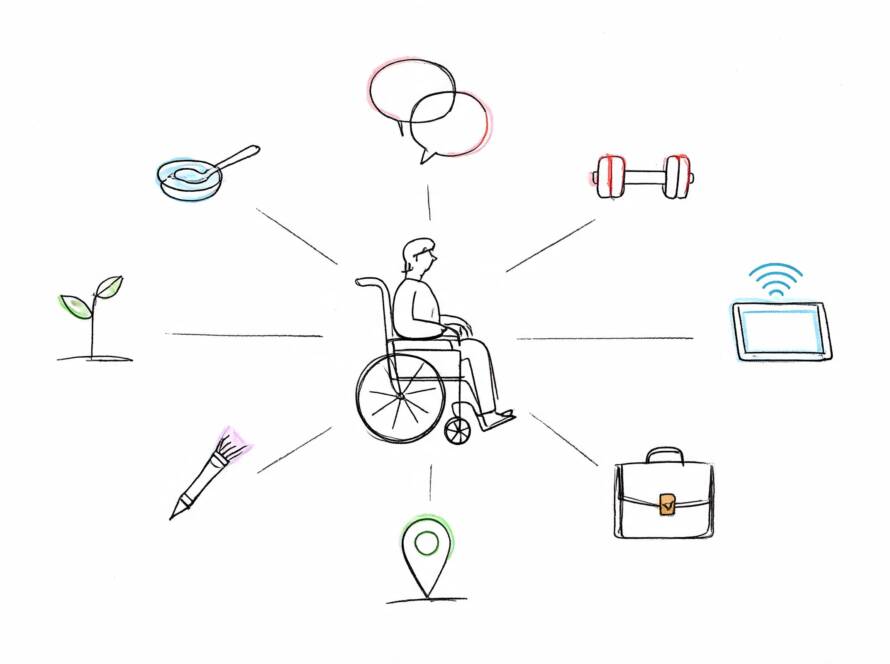
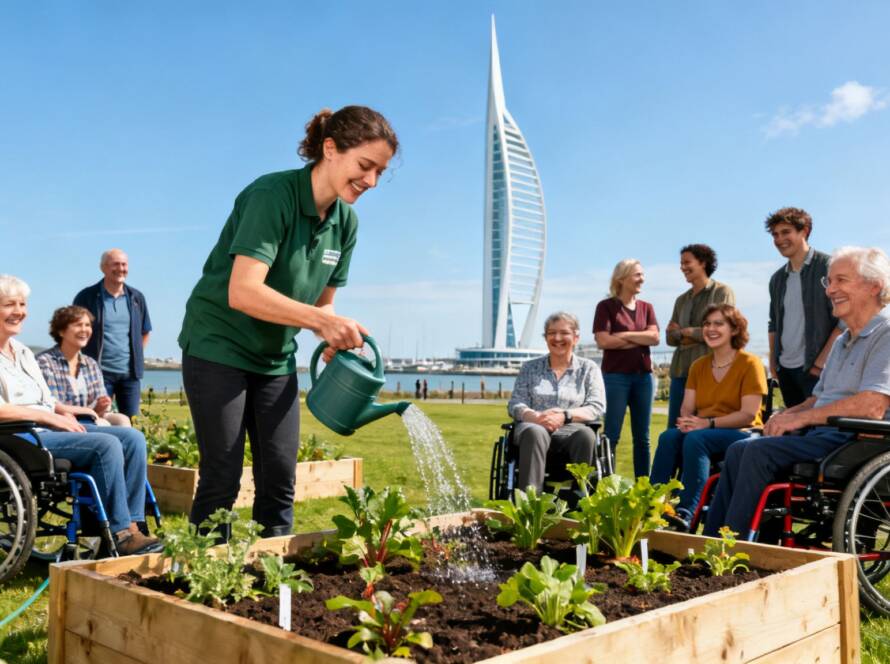
Finding the right activities for adults with learning disabilities is about more than just filling time; it's about unlocking potential, fostering independence, and building a life rich with purpose and connection. Traditional approaches often focus on simple recreation, but a modern, person-centred model values meaningful engagement that builds real-world skills. This shift moves away from passive entertainment towards active participation, empowerment, and genuine personal development.
From mastering digital literacy to navigating public transport, the right programme can transform daily routines into powerful opportunities for growth and achievement. Structured, well-planned activities provide a safe and supportive framework for individuals to learn practical life skills, build confidence, and forge meaningful social connections. This approach recognises that every person has unique aspirations and capabilities, and it tailors support to help them reach their goals, whether that's cooking a meal independently, managing a personal budget, or simply making new friends.
This article moves beyond generic ideas to provide a comprehensive guide to eight structured activity areas proven to enhance wellbeing and promote genuine community integration. We will explore a range of impactful activities for adults with learning disabilities, detailing not just what to do but how to do it effectively. We’ll offer practical tips, session outlines, and actionable insights for families, carers, and support providers across the UK, showing how targeted activities can lead to measurable, life-changing outcomes.
1. Arts and Crafts Therapy
Arts and crafts therapy provides a powerful, non-verbal outlet for self-expression, making it one of the most effective and engaging activities for adults with learning disabilities. This structured creative process involves activities like painting, pottery, textiles, and mixed media projects. It combines recreational enjoyment with tangible skill development, boosting cognitive function, refining fine motor skills, and enhancing emotional wellbeing. Participants don't just create art; they build confidence and find new ways to communicate their thoughts and feelings.
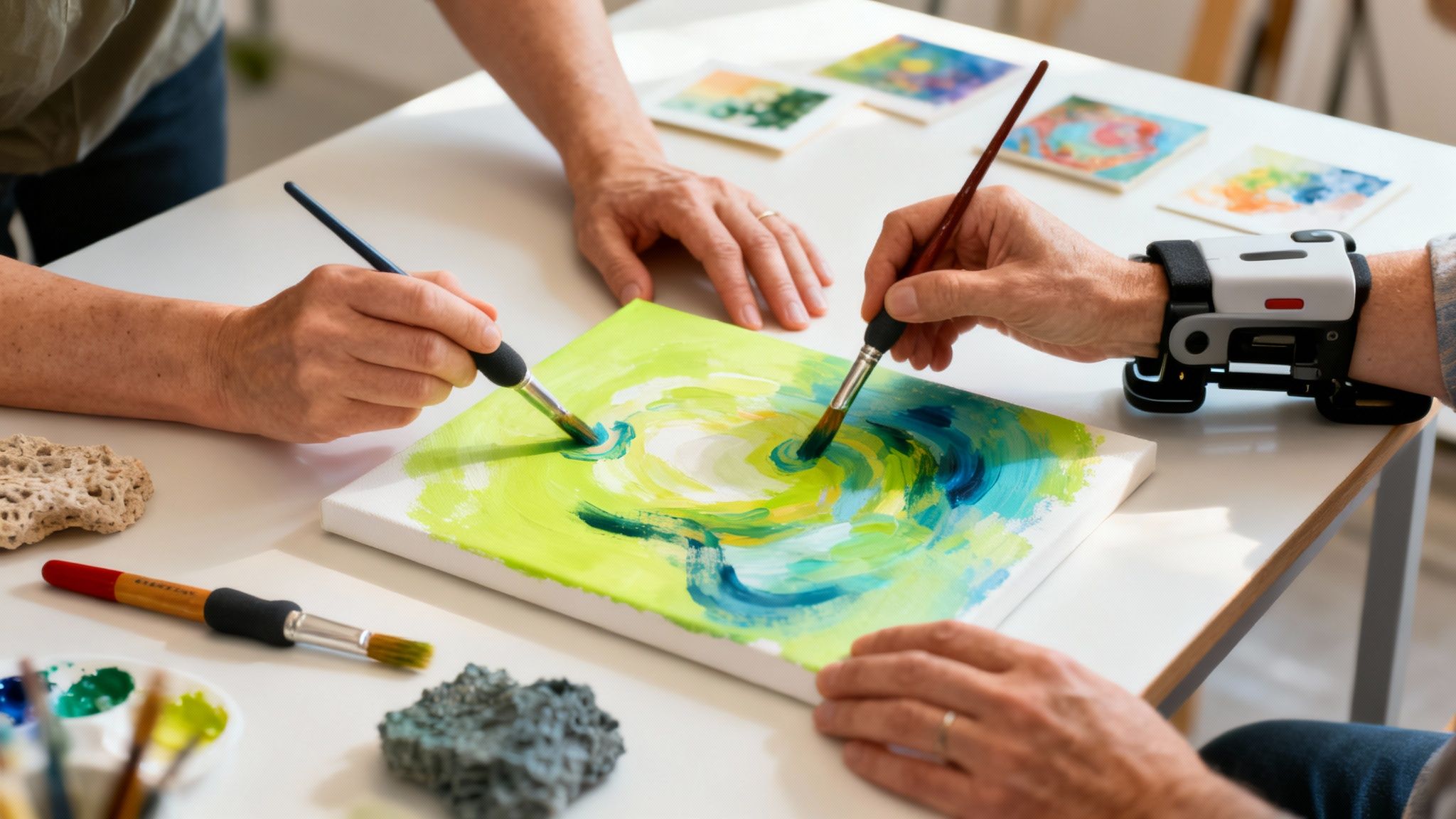
This approach moves beyond simple art-making by focusing on the therapeutic process. The goal is not just the final product but the journey of creating it. This focus helps individuals develop problem-solving skills, improve concentration, and experience a profound sense of accomplishment.
How to Implement Arts and Crafts Therapy
A successful session is built on a foundation of accessibility and choice. Start by offering a diverse range of materials to cater to different sensory preferences and physical abilities.
- Adapt Your Tools: Ensure everyone can participate by providing adapted equipment like easy-grip paintbrushes, spring-loaded scissors, or textured materials for tactile stimulation.
- Provide Clear Guidance: Use visual aids, such as step-by-step picture guides or a finished example, alongside verbal instructions. Demonstrating each stage of the process is often more effective than explaining it.
- Celebrate Achievements: Create a dedicated display area in your space to showcase completed artwork. This validates the artists' efforts and fosters a sense of pride and community.
- Encourage Ownership: Involve participants in choosing projects and materials whenever possible. This empowerment increases engagement and ensures the activity is person-centred.
Organisations like The Grow Project have developed highly successful programmes built on these principles. You can explore a detailed model of how they deliver their arts and crafts sessions for adults with disabilities to see these tips in action. By focusing on a supportive and adaptive environment, arts and crafts can unlock creative potential and significantly improve quality of life.
2. Digital Inclusion and Online Safety Training
Digital inclusion programmes offer structured, person-centred training in computer skills, internet safety, and responsible online behaviour. These activities are essential for adults with learning disabilities, building confidence with technology and enabling them to access information, connect with others, and participate in a digital world safely and with greater independence. This is not just about using a computer; it's about developing vital modern life skills.
This approach focuses on empowering individuals to navigate the online world confidently. By teaching practical skills in a supportive environment, participants learn to manage social media, identify risks, and protect their personal information. The goal is to unlock the benefits of technology while minimising potential vulnerabilities, fostering a sense of autonomy and connection.
How to Implement Digital Inclusion Training
A successful digital inclusion programme prioritises safety, accessibility, and individual learning pace. It should be built around real-world applications that are relevant to the participants' lives.
- Start with the Familiar: Begin with platforms and apps participants may already know, like messaging friends or watching videos, before introducing new concepts. This builds on existing knowledge and reduces anxiety.
- Use Multi-Sensory Teaching: Combine verbal explanations with clear visual demonstrations on a screen and hands-on practice. Simple, image-based guides or checklists can serve as excellent reference tools during and after the session.
- Focus on Practical Scenarios: Teach skills through real-life examples, such as 'How to video call a family member' or 'What to do if a stranger messages you', rather than abstract technical concepts. This makes learning meaningful and easier to recall.
- Encourage Ownership of Safety: Involve participants in creating their own set of personal online safety rules. This collaborative approach fosters a deeper understanding and commitment to safe online practices.
Organisations like Mencap and AbilityNet have championed digital skills training, demonstrating its profound impact. These initiatives provide a strong model for creating effective and empowering programmes. By building sessions around individual needs and celebrating small achievements, digital training can become one of the most transformative activities for adults with learning disabilities.
3. Employability and Money Management Skills Training
Comprehensive vocational and financial literacy programmes are vital activities for adults with learning disabilities, preparing them for greater independence through employment or volunteering. This training focuses on practical skills like job readiness, budgeting, banking, and understanding benefits. It combines structured learning with real-world experience, building not just practical capabilities but also the confidence and self-esteem needed to thrive in the community.
This approach moves beyond abstract concepts by rooting every lesson in practical, everyday scenarios. The goal is to empower individuals to make informed financial decisions and pursue meaningful work opportunities, whether in a supported environment or the wider job market. This focus helps develop critical thinking, enhances numeracy skills, and fosters a powerful sense of purpose and autonomy.
How to Implement Employability and Money Skills Training
A successful programme is built on individualised goals and tangible experiences. It begins with understanding each person's unique interests and abilities, creating a personalised pathway to success.
- Use Real-World Scenarios: Teach budgeting and financial planning through practical tasks like planning and shopping for a weekly food budget or saving for a desired item. Using real money in supervised situations makes learning concrete.
- Create Visual and Simple Steps: Break down complex topics like banking or understanding a payslip into simple, visual guides. Use laminated checklists, pictorial instructions, or apps to reinforce each step of a process.
- Build Employer Partnerships: Actively connect with local businesses to create inclusive and supportive work experience placements. These partnerships are crucial for providing valuable, real-world job skills in a safe environment.
- Celebrate Every Achievement: Recognise and celebrate small victories, such as successfully completing a work task, opening a bank account, or correctly calculating change. This positive reinforcement builds momentum and motivation.
Organisations like The Grow Project have created structured programmes that effectively merge these elements. You can explore a detailed model of how they deliver their employability and money skills training to see these principles applied. By focusing on a supportive, step-by-step approach, this training can unlock significant potential for personal and economic independence.
4. Food Preparation and Healthy Lifestyle Education
Food preparation and healthy lifestyle education offers a practical and empowering pathway to greater independence and wellbeing. This activity involves hands-on cooking, nutrition education, and meal planning, teaching vital life skills that go far beyond the kitchen. From simple food assembly to preparing multi-step recipes, these sessions are adapted to individual abilities, boosting confidence, promoting health awareness, and creating enjoyable social dining experiences.
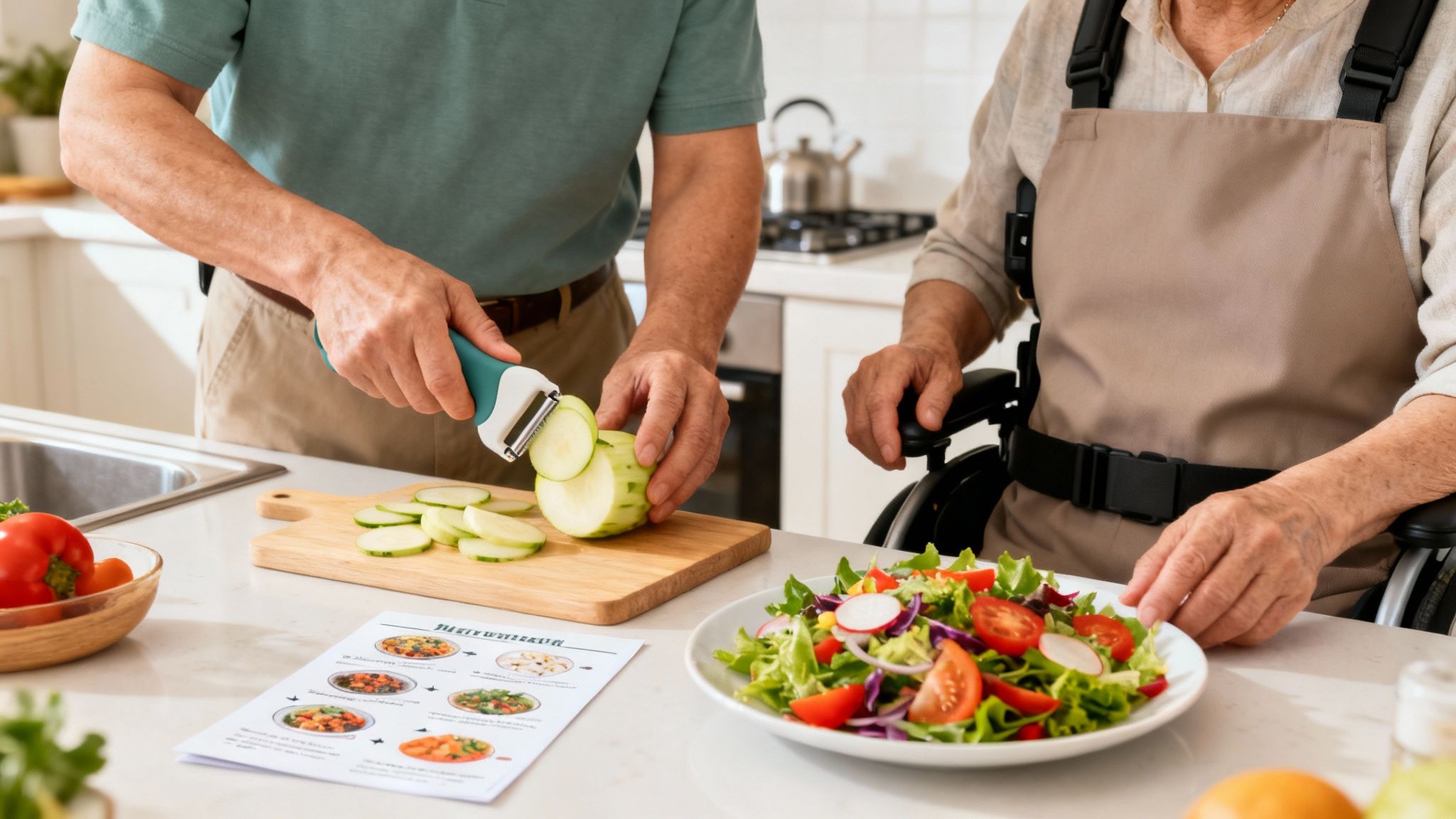
This approach integrates learning with a tangible and rewarding outcome: a delicious, healthy meal. The process teaches essential skills such as food safety, budgeting, and making nutritious choices, which are fundamental for independent living. By focusing on the entire journey from planning to eating, these activities for adults with learning disabilities foster a sense of achievement and control over personal health.
How to Implement Food Preparation and Healthy Lifestyle Education
A successful cooking session is built around safety, accessibility, and personal choice. The goal is to create a supportive environment where everyone can participate meaningfully, regardless of their skill level.
- Adapt Your Tools and Recipes: Provide adapted equipment like easy-grip utensils, one-handed cutting boards, and ergonomic knives. Use visual recipe cards with pictures and minimal text, starting with simple 2-3 ingredient recipes before progressing.
- Demonstrate and Repeat: Teach food safety and cooking techniques through clear, practical demonstrations. Repetition is key to building confidence and ensuring procedures like hand washing and using equipment safely become second nature.
- Empower Through Choice: Involve participants in menu planning and shopping for ingredients. This sense of ownership increases engagement and allows individuals to explore foods they genuinely enjoy, including dishes from their own cultural backgrounds.
- Make it Social: Structure the session to include a social dining element where everyone can enjoy the meal they prepared together. This reinforces the positive experience and builds valuable social skills and relationships.
Organisations like Mencap have long championed healthy living initiatives, while NHS Health Education England provides valuable resources adapted for learning disabilities. By focusing on a person-centred and adaptive kitchen environment, food preparation becomes a powerful tool for developing life skills and improving overall health.
5. Friendships, Relationships, and Social Skills Education
Developing meaningful relationships and understanding social cues are fundamental to wellbeing, making structured social skills education one of the most vital activities for adults with learning disabilities. This approach involves dedicated programmes that teach interpersonal skills, emotional literacy, and how to navigate friendships and relationships safely. It moves beyond casual socialising by providing the tools needed to build confidence, recognise healthy boundaries, and communicate effectively.
This form of education is not about changing who someone is; it's about equipping them with the understanding and strategies to build the connections they want. By breaking down complex social concepts into manageable steps, it empowers individuals to form lasting friendships, express their needs, and engage more fully with their communities. The focus is on practical skills that enhance independence and quality of life.
How to Implement Social Skills Education
A successful programme is built on trust, repetition, and a safe, non-judgemental environment. It requires a person-centred approach that adapts to individual learning styles and communication needs.
- Use Concrete Examples: Abstract concepts like 'respect' or 'boundaries' can be difficult to grasp. Use role-playing, social stories, and visual scenarios to demonstrate these ideas in clear, real-world contexts.
- Create Visual Supports: Develop resources like feelings charts, conversation starter cards, or visual timetables for social events. These tools provide a reliable reference point that can reduce anxiety and support understanding.
- Practise in Safe Scenarios: Role-play is an invaluable tool. It allows participants to practise conversations, learn how to say 'no', or handle disagreements in a controlled environment before applying these skills in the community.
- Focus on One Skill at a Time: Introduce new concepts gradually. For instance, dedicate a session to active listening, then practise it multiple times before moving on to asking open questions.
- Address Digital Safety: Teach online relationship skills with the same care as face-to-face interactions. Cover topics like privacy settings, identifying scams, and what is safe to share online.
Organisations like Mencap and The National Autistic Society have developed extensive resources and programmes focused on these principles. By creating a supportive framework for learning, we can help individuals build the social confidence and skills needed for a rich and connected life.
6. Outdoor Excursions and Community-Based Learning
Outdoor excursions and community-based learning take education and skill-building out of the traditional indoor setting and into the real world. This approach involves structured outings to local parks, community venues, and public services, providing practical, hands-on experience. It is one of the most vital activities for adults with learning disabilities, as it builds independence, environmental awareness, and social confidence by integrating learning into everyday life.

These activities are far more than just a day out; they are carefully planned sessions designed to teach practical travel skills, money management, and social interaction in a supportive context. From visiting a local museum to navigating public transport or exploring a coastal path, each excursion offers a chance to expand life experiences, reduce social isolation, and enhance overall wellbeing.
How to Implement Outdoor Excursions
Success depends on careful planning, preparation, and a focus on building confidence gradually. The goal is to create safe yet empowering experiences that encourage independence without causing undue anxiety.
- Prepare in Advance: Use visual social stories, photos, and laminated maps to familiarise participants with the destination and route beforehand. Discussing what to expect can significantly reduce stress.
- Build Independence Gradually: Start with full support on a new route, then progress to partial support, and finally to observation only. Repeating the same journey helps build familiarity and mastery.
- Structure the Day: Create a clear visual timetable for the outing, including travel times, the main activity, and scheduled rest or refreshment breaks. Predictability helps individuals feel secure and in control.
- Involve Participants in Planning: Empower individuals by letting them help choose destinations or activities. This sense of ownership boosts engagement and ensures the excursions are meaningful and person-centred.
Organisations like The Grow Project demonstrate this model effectively with their outdoor programmes in Hampshire and West Sussex, offering guided trips to local beaches, countryside parks, and community hubs. By carefully risk-assessing each trip while avoiding over-protection, these excursions unlock new opportunities for learning and personal growth in the community.
7. Physical Activity, Movement, and Fitness Programmes
Structured physical activity, movement, and fitness programmes offer a dynamic and enjoyable way to improve both physical and mental health. These activities for adults with learning disabilities can include anything from adaptive sports and dance classes to walking groups and tailored gym sessions. They are designed to be accessible and non-competitive, focusing on the joy of movement, building social connections, and boosting self-confidence. The goal is to create a positive relationship with exercise, promoting long-term wellbeing.
This approach is about more than just physical fitness; it's a powerful tool for developing coordination, enhancing body awareness, and reducing stress. By focusing on participation and personal achievement rather than competition, these programmes create a safe and encouraging environment where individuals can thrive at their own pace.
How to Implement Physical Activity Programmes
A successful fitness programme is built on variety, adaptability, and creating a supportive atmosphere where everyone feels comfortable participating.
- Adapt Movements for All: Ensure activities can be modified for different physical abilities. Offer seated alternatives for standing exercises, low-impact options, and clear visual demonstrations alongside verbal instructions.
- Create a Motivating Atmosphere: Use upbeat music and rhythm to energise the group and provide structure to the session. A positive, non-judgemental environment is key to encouraging participation.
- Focus on Routine and Safety: Always include dedicated warm-up and cool-down periods. This not only prevents injury but also helps build a predictable and reassuring structure for participants.
- Celebrate Every Milestone: Acknowledge effort and personal progress, no matter how small. Using visual progress charts or simply celebrating participation helps build motivation and a profound sense of accomplishment.
Organisations like Mencap have led the way with initiatives such as Mencap Active, demonstrating how inclusive sports can break down barriers. By prioritising accessibility and a person-centred approach, physical activity programmes can significantly enhance health, happiness, and social inclusion.
8. Public Transport Training and Community Travel Independence
Mastering public transport is a transformative life skill that opens up a world of independence, social connection, and community access. Structured transport training offers a systematic, practical programme to teach adults with learning disabilities how to confidently and safely use buses and trains. This activity is far more than just learning a route; it is a foundational skill that boosts self-esteem, broadens horizons, and enables access to work, education, and social opportunities.
This process breaks down the complex task of travel into manageable, repeatable steps. By focusing on real-world practice, it moves beyond theory and equips individuals with the practical skills needed to navigate their local community. The goal is to build competence and resilience, empowering individuals to travel independently and participate more fully in society.
How to Implement Public Transport Training
A successful travel training programme is built on repetition, gradual progression, and robust planning. The key is to build skills incrementally in a supportive, real-world environment.
- Start Small and Build Up: Begin with one short, familiar, and useful route. Practise this journey multiple times with support before introducing new destinations or expecting full independence.
- Use Visual and Practical Aids: Create visual social stories with photos of the route, bus stops, and landmarks. A laminated card with key information like the destination, bus number, and what to do if help is needed can be a vital tool.
- Practise Contingency Planning: Role-play what to do if a bus is late, the wrong one arrives, or a stop is missed. This builds problem-solving skills and reduces anxiety when things don’t go perfectly to plan.
- Gradually Reduce Support: Move from accompanying the person on the bus to waiting at the destination stop, then to simply being available by phone. This phased approach fosters confidence without overwhelming the learner.
Organisations like The Grow Project have seen incredible success with structured programmes that empower individuals to become independent travellers. You can see a detailed model of their approach and explore more about their public transport training sessions for accessing the community. By connecting with local transport providers and involving families in the process, these activities unlock unparalleled freedom and opportunity.
8-Activity Comparison for Adults with Learning Disabilities
| Programme | Implementation Complexity ???? | Resource Requirements ⚡ | Expected Outcomes ⭐???? | Ideal Use Cases ???? | Key Advantages ⭐ |
|---|---|---|---|---|---|
| Arts and Crafts Therapy | Low–Medium ???? — basic setup; facilitator differentiation needed | Low–Moderate ⚡ — materials, dedicated space, storage, cleanup | ⭐ Emotional regulation; ???? fine-motor skill gains and tangible outputs | Creative expression, group therapy, sensory engagement | ⭐ Visible achievements; adaptable to abilities |
| Digital Inclusion & Online Safety Training | Medium–High ???? — evolving tech; staff need digital + disability skills | High ⚡ — devices, reliable internet, IT support, ongoing staff training | ⭐ Digital confidence & safety; ???? access to services and employment pathways | Preparing for digital life, pre-vocational IT progression | ⭐ Increases independence; scalable and tailorable |
| Employability & Money Management | Medium–High ???? — employer liaison; benefits complexity | Moderate–High ⚡ — vocational trainers, employer links, real-money practice | ⭐ Increased employment/volunteering; ???? improved financial independence | Job readiness, transition from benefits, supported employment | ⭐ Direct vocational outcomes; measurable progression |
| Food Preparation & Healthy Lifestyle | Medium ???? — food-safety requirements and planning | Moderate ⚡ — accessible kitchen, adapted utensils, trained staff | ⭐ Practical independence; ???? improved nutrition and daily living skills | Daily living skills, health promotion, social dining | ⭐ Teaches essential life skills; socially engaging |
| Friendships, Relationships & Social Skills | High ???? — sensitive topics; safeguarding expertise required | Moderate ⚡ — skilled facilitators, safe spaces, ongoing reinforcement | ⭐ Better social communication; ???? reduced isolation and safer relationships | Building friendships, consent education, emotional literacy | ⭐ Protective skills and deeper social connection |
| Outdoor Excursions & Community-Based Learning | Medium–High ???? — risk assessment and logistics | Moderate–High ⚡ — transport, staff, route planning, contingency plans | ⭐ Greater independence; ???? community integration and real-world skills | Community access training, environmental learning, leisure outings | ⭐ Real-life practice; boosts confidence and health |
| Physical Activity, Movement & Fitness | Medium ???? — activity adaptation and health screening | Moderate ⚡ — accessible facilities, adapted equipment, trained instructors | ⭐ Improved physical & mental health; ???? social engagement and stamina | Wellbeing programmes, group exercise, inclusive sports | ⭐ Health benefits; adaptable to varied abilities |
| Public Transport Training & Travel Independence | High ???? — repetitive graded learning; safety planning | High ⚡ — staff time, travel costs, partnerships with transport providers | ⭐ True travel independence; ???? access to employment and services | Independent community travel, employment access, cost-saving transport | ⭐ Empowers independence; reduces long-term transport reliance |
Building a Brighter, More Independent Future
This comprehensive guide has showcased a diverse range of activities for adults with learning disabilities, moving far beyond simple recreation. We have explored how structured, goal-oriented engagement is the cornerstone of fostering genuine independence, confidence, and a higher quality of life. The journey from arts and crafts therapy to independent travel training is not just about filling a day; it's about building a life rich with purpose, connection, and personal achievement.
The power of these activities lies in their holistic impact. They are not isolated events but interconnected building blocks for a more autonomous future. Mastering a new recipe in a cooking session reinforces budgeting skills learned in a money management workshop. Building social confidence through a group art project provides the foundation needed for community outings and forming meaningful relationships. This integrated approach, where skills from one area support growth in another, is what creates sustainable, long-term change.
Key Takeaways for Lasting Impact
As we conclude, it's essential to distil the core principles that make these activities truly effective. Remember that the "what" is only half the story; the "how" is what makes all the difference.
- Person-Centred Planning is Non-Negotiable: Every activity, from digital skills training to physical fitness, must be tailored to the individual's unique goals, abilities, and interests. A one-size-fits-all approach will always fall short. Success begins with understanding the person, not just the disability.
- Focus on Transferable, Real-World Skills: The ultimate goal is to empower individuals to apply what they learn within their daily lives. Public transport training is not just about a single bus route; it’s about unlocking access to the entire community. Likewise, online safety training is about navigating the digital world with confidence, both in and out of a structured session.
- Safety and Consent are Foundational: Creating a safe, respectful environment where individuals feel empowered to express their choices and boundaries is paramount. This builds trust and ensures that participation is always a positive and affirming experience, particularly when tackling sensitive topics like relationships and social skills.
- Measurable Outcomes Drive Progress: Setting clear, achievable goals and tracking progress provides tangible evidence of growth. It gives individuals a sense of accomplishment and provides carers, families, and commissioners with clear insights into the value and impact of the support being provided.
Your Actionable Next Steps
Empowered with this knowledge, your next step is to translate these ideas into action. Begin by having a conversation with the adult you support, focusing on their personal aspirations. What new skills would make the biggest difference to their daily life? What are they genuinely passionate about learning?
Use this discussion to identify one or two priority areas from the activities we've covered. Research local providers or consider how you can start implementing these ideas at home or in the community. Whether it’s planning a simple weekly shop together to practise budgeting or exploring a new local park to build confidence, every small, intentional step contributes to the larger goal of a more independent and fulfilling life. The right activities for adults with learning disabilities are not just pastimes; they are powerful tools for unlocking potential and building a brighter future.
Ready to see how these activities come to life in a supportive, person-centred environment? The Grow Project offers structured day opportunities in Southampton and Littlehampton, integrating skill-building across all the areas discussed in this article. Discover our unique approach to fostering independence and wellbeing by visiting The Grow Project to learn more about our programmes.