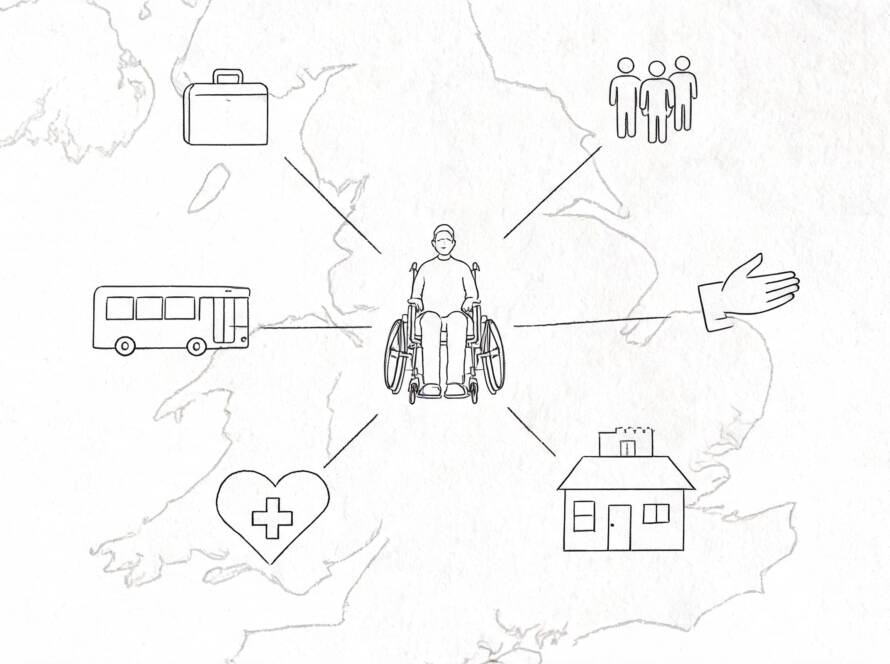
When a young person leaves school or college, families often expect the next step to be clear. Instead, many find themselves facing phone calls, forms, waiting lists, and a worrying question: what happens during the day now?
That uncertainty is not only administrative. It is emotional. Parents may be wondering how their son or daughter will keep building confidence, friendships, and life skills. Adults with disabilities may want more independence, more routine, and more choice, but not know what support exists locally.
Day services for adults with disabilities can make a real difference. The right service is not just somewhere to spend time. It can become a place to learn, contribute, socialise, and prepare for adult life in a way that feels safe and purposeful.
For families in Hampshire and West Sussex, the search can feel especially complex because local options vary. Still, there are practical ways to narrow your choices and ask the right questions from the start.
Starting Your Search for Adult Day Services
A common starting point looks like this. A parent has been focused on annual reviews, EHCP meetings, transport, and making sure school support is in place. Then the final term arrives, and adult services suddenly seem to speak a different language.
You may hear terms like needs assessment, personal budget, commissioned placement, or direct payment. At the same time, your family is trying to answer more personal questions. Will this service feel welcoming? Will staff understand communication needs? Will there be structure, or just supervision?
The first helpful shift is to stop thinking only in terms of “care” and start thinking in terms of outcomes. Ask what the person wants life to look like on an ordinary Tuesday. That answer often points you towards the right kind of service.
For one adult, that might mean learning to travel by bus, cook lunch, and make friends outside the family. For another, it might mean building confidence after a difficult period of anxiety, with support to re-engage in community activities. Someone else may want a stepping stone towards volunteering or work-related skills.
What families often need first
The early search is usually less about finding a perfect brochure and more about gathering clear information.
- A realistic picture of daily life. What happens from arrival to home time?
- Clarity about support levels. Can the provider meet physical, social, sensory, or communication needs?
- A sense of progression. Is there a plan for developing independence over time?
- Local fit. Does the service work well for transport, funding, and family routines in Hampshire or West Sussex?
Start with the person’s goals, not the provider’s timetable. A good match grows from what matters to the individual.
A strong search begins with curiosity, not pressure. Visit services. Ask basic questions. Request examples of how people are supported to grow, not just kept occupied.
What Are Modern Day Services?
Modern day services are built around person-centred support. Under the Care Act 2014, adult social care is expected to promote wellbeing, independence, and participation in everyday life. That matters because older ideas of “day care” often focused on attendance alone. Better services now focus on what the person is working towards.

The difference between attendance and progress
A basic service may offer a room, activities, and staff support. A modern service should do more than that. It should ask:
- What does this person enjoy?
- What do they want to get better at?
- What support helps them take the next step?
- How will we know whether things are improving?
That is why good providers build programmes around individual goals. One person may need help with communication and social confidence. Another may be working on budgeting, travel, or healthy routines. A third may want more community access after feeling isolated at home.
What person-centred looks like in practice
Person-centred does not mean “anything goes”. It means support is shaped around the individual in a structured way.
For example, someone who wants to become more independent might have a weekly plan that includes food preparation, public transport practice, and a community outing where they make simple choices and handle money. Another person may need a quieter timetable with smaller groups, relationship support, and familiar staff.
A useful way to judge quality is to ask whether the service can explain both the activity and the purpose behind it. Arts and crafts may support hand skills, confidence, and communication. A café trip may build turn-taking, travel skills, and money awareness.
If you want a fuller picture of how this type of provision works in practice, this overview of a learning disability day centre is a helpful example of the model families often look for.
A developmental day service should feel active, not passive. The timetable is there to help someone move forward.
A Look Inside Programmes and Weekly Timetables
Families often ask what people do in day services for adults with disabilities. That is a sensible question, because the phrase can cover everything from light activity sessions to highly structured, goal-based programmes.
A strong timetable usually blends practical skills, wellbeing, and community participation. The aim is not to fill hours. It is to create repeated opportunities to practise adult life.

What a balanced week can include
A good weekly programme often covers several areas at once.
Daily living and independence
These sessions help people manage everyday tasks with less reliance on others. That might include cooking, food hygiene, shopping, money skills, personal organisation, or learning how to follow a routine.
The most useful sessions are practical. Instead of talking abstractly about budgeting, staff might support someone to compare prices in a shop, choose items, and pay.
Communication and relationships
This area is frequently overlooked, yet it affects confidence, safety, and belonging. Sessions might include conversation practice, digital boundaries, friendships, consent, or asking for help.
It is important to address this; 40% of UK adults with learning disabilities experience moderate-to-severe anxiety or depression, yet only 28% of day services in England integrate mental health components like relationships education, according to NHS Digital’s 2024 survey. The same source notes that in Hampshire and West Sussex, social isolation contributed significantly to premature deaths in this group.
That is why friendship-building should not be treated as an optional extra. It is part of health support.
Health and emotional wellbeing
Wellbeing sessions can include movement, fitness, mindfulness, creative work, music, and time outdoors. The best ones are adapted, routine-based, and linked to how the person feels day to day.
When staff notice changes in mood, confidence, or withdrawal, they can adjust support early. That may be as simple as a quieter session, more one-to-one guidance, or an activity that helps someone reconnect with the group.
A sample week in plain terms
Here is what a mixed timetable might look like:
- Monday could focus on cooking and meal planning, with each person taking part in preparing lunch.
- Tuesday might include digital skills, online safety, and communication work.
- Wednesday may centre on a local outing, using public transport and practising community awareness.
- Thursday could involve movement, creative activity, and small-group work on friendships.
- Friday might bring together teamwork, reflection, and a practical task linked to volunteering or employability.
A provider’s weekly plan tells you a lot about its values. If every day looks the same, progress may be harder to see. If the timetable has variety but no clear purpose, it may feel busy without helping someone grow.
For families who want to understand the staff role behind these sessions, this explanation of an activity support worker shows how day-to-day guidance helps participants build skills over time.
Ask for a real timetable, not a list of vague activities. The detail shows whether support is thoughtful or improvised.
The Lifelong Benefits and Measurable Outcomes
Families often hear broad promises about confidence and independence. It is fair to ask what those words mean in practice.
Good day services should be able to point to progress that is visible in ordinary life. That might mean someone starts making choices more confidently, manages a travel route with less prompting, joins in socially, or needs less help at home.

What measurable progress can look like
There is UK evidence that structured day support can lead to clear changes over time. The 2022/23 Adult Social Care Activity and Finance report found that 78% of day service users with learning disabilities experienced a 15 to 20% average gain in independence scores over 12 months. It also found that interventions such as transport training can reduce reliance on informal carers by 25%, from 35 to 26 hours weekly (Skills for Care).
Those figures help explain why practical activities matter so much. Travel training is not just about getting on a bus. It can widen community access, increase choice, and reduce how much families need to do every week.
How providers should measure outcomes
Providers should be able to explain how they assess starting points and review progress. In adult social care, commissioners and services often use structured outcome measures such as ASCOT. Families do not need to become experts in technical tools, but it helps to ask simple questions:
- What goals are set at the start?
- How often are they reviewed?
- How do you record progress?
- Can you show examples of outcomes in daily living, safety, social inclusion, or occupation?
A useful review is specific. “Doing well” is too vague. “Preparing lunch with fewer prompts” or “joining community outings with increased confidence” gives a clearer picture.
Why these outcomes matter to families too
When a person becomes more independent, the whole family often feels the change. Home routines may become calmer. Parents may spend less time coordinating every small task. Carers often gain reassurance because support is consistent and purposeful.
This is one reason families should not be shy about asking how success is tracked. If a service cannot explain its outcomes, it becomes harder to judge whether it is the right long-term fit.
Navigating Eligibility and Social Care Funding
Funding is often the part families fear most. The system can feel technical, but the path into support is usually easier to understand when broken into stages.
The first key point is this. Do not wait until education ends before asking questions. In many areas, especially around transition, delay creates avoidable gaps.
Start with a needs assessment
If an adult may need support, contact your local authority adult social care team and request a needs assessment. This is the gateway to discussing eligibility and possible funding.
Bring practical information, not just diagnoses. Explain what support the person needs during the day, what happens without that support, and what goals matter most. Examples help. “Needs help using public transport safely” is stronger than “would benefit from confidence building”.
If the person is still in education, ask for transition planning conversations early. Families often assume adult provision will be arranged automatically. It often is not.
Why transition planning needs urgency
There is a recognised post-18 transition gap. Data shows that many young people with learning disabilities leaving education in 2023-24 did not have appropriate provision arranged. In the South East, including Hampshire, fewer adults with learning disabilities access day opportunities compared with the national average.
Those figures help explain why families in Hampshire and nearby areas often feel they are competing for limited places. Waiting lists and local commissioning pressures can slow everything down, so early action matters.
If your son or daughter is approaching school or college leaving age, ask adult social care about timelines, not just eligibility. Timing can be as important as entitlement.
Main funding routes in plain English
Local authority commissioned support
Sometimes the council agrees a package and arranges the provider directly. This can simplify administration for families, but choice may be narrower because the authority may use contracted services.
Personal Budgets
A Personal Budget is the amount identified to meet eligible care needs. This does not always mean cash is handed to the family. It can be managed by the council, by a third party, or sometimes by the individual.
Direct Payments
Direct Payments give eligible people more control by allowing funds to be used to arrange support themselves, within agreed rules. This can open up more flexible options, but it also brings more responsibility for managing arrangements.
Questions to ask during funding discussions
- What outcomes is the funding meant to achieve? Keep the conversation linked to independence, wellbeing, and community inclusion.
- Can day services be mixed with other support? Some people need a blended week rather than one setting every day.
- What happens if there is a waiting list? Ask what interim support is available.
- How will transport be handled? Travel can become a barrier if it is not discussed early.
For some families, one local option to explore alongside other providers is The Grow Project, which offers weekday day service support for adults with learning and physical disabilities in Southampton and Rustington, with programmes built around life skills, community access, social development, and employability awareness.
Choosing the Best Provider for Your Needs
Once funding or referrals are being discussed, the next challenge is comparison. Many providers sound similar in a brochure. Visits and questions reveal the differences.
A strong provider should be able to describe not only what it offers, but how it adapts support to the individual. Families need enough detail to judge fit, safety, and likely outcomes.
What good questions uncover
High-quality day services can have a meaningful effect on families as well as participants. LaingBuisson reports that high-quality day services can lead to a 22% reduction in carer stress scores, and that services with 85%+ user satisfaction via the Friends and Family Test are associated with better outcomes for participants and their families (LaingBuisson).
That makes satisfaction data worth asking about. It is not the only measure, but it gives a useful signal when combined with observation and discussion.
Provider Assessment Checklist
| Category | Question to Ask |
|---|---|
| Personalisation | How do you set goals for each person, and how often are they reviewed? |
| Daily programme | Can I see a real weekly timetable rather than a sample activity list? |
| Mental health support | How do you support people who feel anxious, withdrawn, or socially isolated? |
| Relationships and safety | Do you cover friendships, boundaries, consent, and online safety? |
| Staffing | Who supports participants day to day, and how do staff get to know communication needs? |
| Community access | How often do people go out into the community, and what support is provided during outings? |
| Accessibility | How do you adapt activities for physical disabilities, sensory needs, or different learning styles? |
| Family communication | How do you update families or carers about progress, concerns, and achievements? |
| Outcome measurement | How do you record progress in independence, confidence, or social participation? |
| Feedback | What are your recent satisfaction results, and how do you act on feedback? |
| Safeguarding | How are safeguarding concerns reported, reviewed, and communicated? |
| Transitions | How do you support new starters who are anxious or moving on from education? |
What to watch during a visit
The atmosphere matters. Look at whether participants seem engaged, whether staff speak respectfully, and whether activities have a clear purpose.
Notice small things. Are people offered choices? Do staff know when to step in and when to step back? Is there warmth without being patronising?
If you want a useful benchmark for these conversations, this guide to what person-centred care means can help you compare what providers say with what person-centred support should look like in practice.
The right provider should be able to answer straightforward questions in a straightforward way. If replies stay vague, keep asking.
The Grow Project A Case Study in Hampshire & West Sussex
For families wanting a concrete example, The Grow Project shows how many of these ideas can work in real life across Hampshire and West Sussex.
The service supports adults aged 18 and over with learning and physical disabilities from bases in Ocean Village, Southampton, and Rustington, Littlehampton. Its weekday model combines structured activities with community outings, social development, and practical skill-building.
One participant arrived after education ended and found the transition unsettling. A steady routine, public transport practice, and consistent staff support helped him become more confident travelling out in the community and joining group activities. The change was not instant, but it was visible in everyday life.
Another participant wanted something more purposeful than staying at home during the week. Through practical sessions linked to teamwork, communication, and work awareness, she developed confidence in taking part, speaking up, and trying new responsibilities. Her family saw her become more settled and more willing to engage outside the home.
What matters here is not a polished success story. It is the method behind it. Clear goals. A structured timetable. Support with friendships, independence, and community access. That is what families should look for in any provider.
If you are weighing up options in Southampton, Littlehampton, or nearby areas, it can help to speak to a provider directly, ask to visit, and compare what you see against the checklist above.
If you are looking for day services for adults with disabilities in Hampshire or West Sussex, The Grow Project is one option to explore. You can contact the team to ask about weekday programmes, visit arrangements, locations in Southampton and Rustington, and how support is shaped around individual goals, funding routes, and transition planning.